
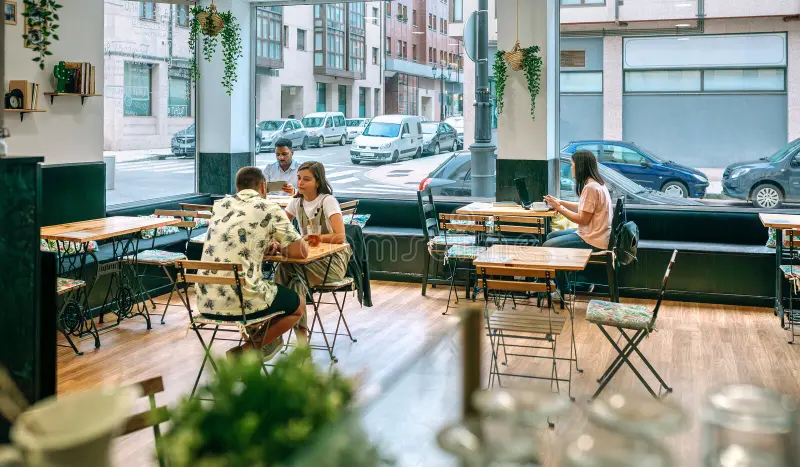
Introduction to the Role of Cafes in Urban Living
Cafes have become an essential part of modern urban environments. Beyond serving coffee and light meals, they function as flexible social spaces where people meet, work, relax, and exchange ideas. As cities grow faster and lifestyles become more dynamic, cafes help create comfortable environments that support both productivity and connection.
Today, cafes shape how people interact with their surroundings and influence daily routines in meaningful ways.
Cafes as Social Interaction Hubs
Urban life often moves quickly, leaving limited time for traditional social gatherings. Cafes provide a convenient setting where people can reconnect without complicated planning.
They support social engagement by offering:
- Accessible meeting spaces for friends and families
- Informal settings for professional discussions
- Comfortable environments for casual conversations
- Opportunities to build community relationships
These interactions strengthen the social fabric of city life.
Supporting the Remote Work Culture
With the rise of flexible employment models, cafes have become alternative workplaces for many professionals. Their relaxed atmosphere encourages creativity while maintaining productivity.
Modern cafes often support work activities through:
- Comfortable seating arrangements
- Reliable internet access
- Quiet corners for focused tasks
- Charging points for digital devices
As a result, cafes now function as informal extensions of home offices.
Encouraging Creative Thinking and Innovation
Creative professionals frequently choose cafes as their preferred workspace. The background activity and relaxed environment help stimulate new ideas without distractions found in traditional offices.
Urban cafes inspire creativity by providing:
- Calm yet active surroundings
- Exposure to diverse people and conversations
- Visually pleasing interiors
- Flexible working comfort
Such spaces contribute to innovation across different fields.
Influencing Urban Food and Beverage Habits
Cafes play a strong role in shaping modern dietary patterns. Many city residents now prefer quick but fresh meals that fit busy schedules.
Urban cafes encourage healthier and more diverse choices through:
- Freshly brewed beverages
- Light meal options
- Plant based menu selections
- Seasonal ingredients and recipes
These offerings help people maintain balanced eating habits within limited time.
Promoting Local Culture and Identity
Cafes often reflect the personality of the neighborhoods they serve. Their design, menu choices, and atmosphere contribute to preserving local character within rapidly changing cities.
They strengthen cultural identity by:
- Supporting regional food traditions
- Showcasing local artwork
- Hosting community gatherings
- Encouraging neighborhood interaction
This connection makes cafes meaningful landmarks within urban communities.
Providing Spaces for Personal Relaxation
Urban environments can be crowded and demanding. Cafes offer quiet breaks that help individuals recharge during busy routines.
People visit cafes to:
- Read books in peaceful surroundings
- Enjoy time alone without isolation
- Take short breaks from work pressure
- Reflect between daily commitments
Such moments improve emotional balance and overall well being.
Supporting Small Businesses and Local Economies
Many urban cafes operate as independent establishments that contribute directly to neighborhood development. Their presence creates employment opportunities and supports nearby suppliers.
They strengthen local economies through:
- Hiring community staff
- Purchasing regional ingredients
- Encouraging nearby retail activity
- Attracting visitors to surrounding areas
This economic influence makes cafes valuable urban contributors.
Shaping Modern Lifestyle Preferences
Cafes influence how people structure their day. From morning coffee routines to evening meetups, they become part of everyday schedules.
They shape lifestyle habits by encouraging:
- Flexible work patterns
- Social connectivity
- Short relaxation breaks
- Exploration of new food experiences
Over time, these patterns become integrated into urban living culture.
Frequently Asked Questions
Why do urban residents prefer cafes over traditional meeting places
Cafes offer flexible timing, comfortable environments, and easy accessibility that suit fast paced city schedules.
How do cafes affect productivity during work hours
A balanced atmosphere with moderate background activity often helps people stay focused while reducing stress.
Are cafes replacing traditional office spaces
Cafes are not replacing offices but they are becoming useful supplementary workspaces for flexible professionals.
Do cafes contribute to neighborhood development
Yes. Cafes attract visitors, support nearby businesses, and help create active community zones.
How do cafes influence young professionals in cities
They provide networking opportunities, informal meeting spaces, and convenient environments for collaborative work.
Can cafes improve mental relaxation in busy cities
Spending time in calm cafe environments can help reduce stress and support emotional balance.
Why are cafes considered important in modern city planning
Urban planners recognize cafes as social spaces that encourage interaction, support local economies, and improve neighborhood vitality.
