
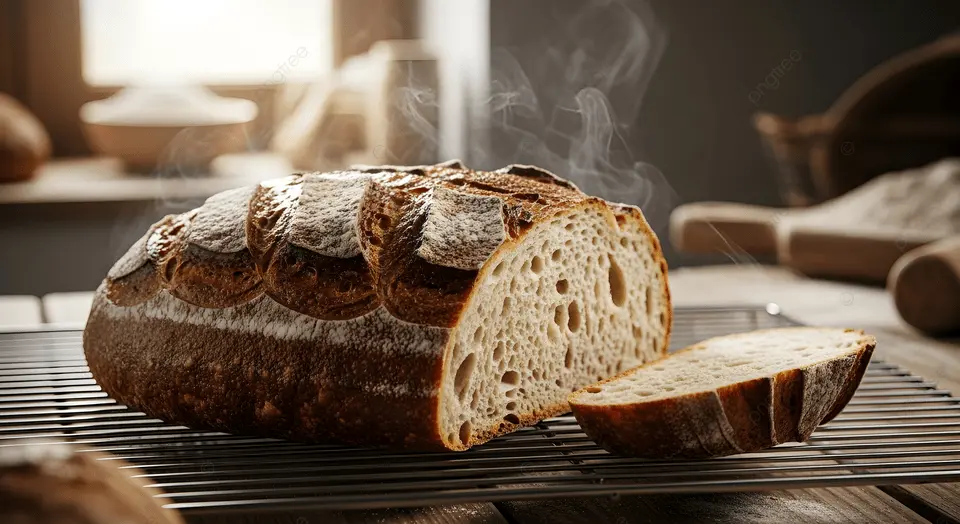
The Enduring Appeal of Freshly Baked Bread
Freshly baked bread holds a special place in kitchens around the world. Its warm aroma, crisp crust, and soft interior offer an experience that packaged bread rarely matches. While store-bought options provide convenience and longer shelf life, freshly baked bread continues to stand out for its taste, nutrition, and authenticity.
Understanding the differences between these two choices helps explain why homemade or bakery-fresh bread remains the preferred option for many households.
Superior Flavor and Aroma
Flavor is one of the most noticeable differences between fresh bread and packaged alternatives.
Freshly baked bread develops its taste through natural fermentation, careful kneading, and proper baking techniques. This process enhances:
- A deeper, richer flavor profile
- A satisfying crust texture
- A soft and airy interior crumb
- A warm, inviting aroma that packaged bread cannot replicate
Store-bought bread often relies on preservatives and accelerated production methods that reduce complexity of flavor.
Better Ingredient Quality
Fresh bread typically contains fewer artificial ingredients. Most homemade or artisan bakery loaves rely on simple components such as:
- Flour
- Water
- Salt
- Yeast or natural sourdough starter
In contrast, many commercial bread products include stabilizers, preservatives, added sugars, and conditioners designed to extend shelf life and maintain softness during transportation.
Choosing fresh bread allows greater control over what goes into your food.
Higher Nutritional Value
Fresh bread can offer stronger nutritional benefits depending on the ingredients used.
Whole grain fresh bread often provides:
- Higher fiber content
- Improved digestion support
- Better vitamin retention
- Reduced exposure to additives
Commercial bread sometimes sacrifices nutritional value to achieve uniform texture and extended storage stability.
When prepared using whole grains or traditional fermentation methods, fresh bread becomes both satisfying and nourishing.
No Artificial Preservatives
Preservatives help packaged bread remain usable for days or even weeks. However, many people prefer to avoid unnecessary additives in their diet.
Freshly baked bread:
- Contains fewer chemical preservatives
- Encourages natural consumption patterns
- Supports cleaner ingredient choices
This simplicity appeals to households seeking more natural eating habits.
Customization to Suit Personal Taste
One major advantage of baking bread at home or purchasing from artisan bakeries is flexibility.
Fresh bread can easily be tailored by adjusting:
- Flour types such as whole wheat, rye, or multigrain
- Salt levels
- Sweetness
- Seeds and grains
- Fermentation time
Store-bought bread usually follows standardized recipes designed for mass production rather than individual preference.
Customization makes fresh bread more versatile for different diets and flavor preferences.
Texture That Feels Truly Fresh
Texture plays a critical role in the bread-eating experience.
Freshly baked bread offers:
- Crisp crust exterior
- Soft and elastic interior
- Natural chewiness
- Moist crumb structure
Packaged bread is often engineered for softness alone, which can make it feel overly processed or uniform.
Fresh texture enhances everything from breakfast toast to sandwich preparation.
Supports Local Bakeries and Traditional Skills
Buying fresh bread from local bakeries helps preserve traditional baking craftsmanship.
Supporting artisan bakers:
- Strengthens community businesses
- Encourages high-quality ingredients
- Promotes traditional fermentation methods
- Maintains cultural baking heritage
Choosing fresh bread becomes not just a food decision but a community investment.
Greater Satisfaction and Eating Experience
Eating fresh bread engages multiple senses at once.
The experience includes:
- The sound of slicing through a crisp crust
- The aroma released from a warm loaf
- The softness of the interior
- The depth of flavor with simple toppings
These qualities make fresh bread more enjoyable than standard packaged alternatives.
Environmental Advantages of Fresh Bread
Fresh bread can also contribute to more responsible consumption habits.
Compared with packaged bread, it often involves:
- Less plastic wrapping
- Shorter supply chains
- Reduced storage energy
- Fewer preservatives in production
Choosing fresh bread supports more mindful food choices overall.
Why Store-Bought Bread Still Exists
Store-bought bread remains popular because it offers convenience and consistency.
Common advantages include:
- Longer shelf life
- Easy availability
- Uniform slicing
- Lower upfront effort
However, convenience does not always equal quality. For those prioritizing flavor, nutrition, and authenticity, freshly baked bread continues to be the stronger choice.
Frequently Asked Questions
Is freshly baked bread healthier than packaged bread
Fresh bread can be healthier when made with whole grains and minimal additives because it usually contains fewer preservatives and more natural nutrients.
How long does freshly baked bread stay fresh
Most fresh bread stays at its best for one to three days at room temperature, depending on ingredients and storage conditions.
Can fresh bread be frozen for later use
Yes. Fresh bread freezes well when wrapped properly and can retain quality for several weeks.
Why does store-bought bread last longer
Packaged bread often includes preservatives and stabilizers that slow mold growth and maintain softness during storage.
Is sourdough bread better than regular packaged bread
Traditional sourdough fermentation can improve digestibility and flavor while reducing reliance on additives.
Does homemade bread require special equipment
Basic homemade bread can be prepared using simple kitchen tools such as a mixing bowl, oven, and baking tray.
Can fresh bread be part of a balanced diet
Yes. When made with whole grains and consumed in moderation, fresh bread can support a healthy and balanced eating pattern.
