
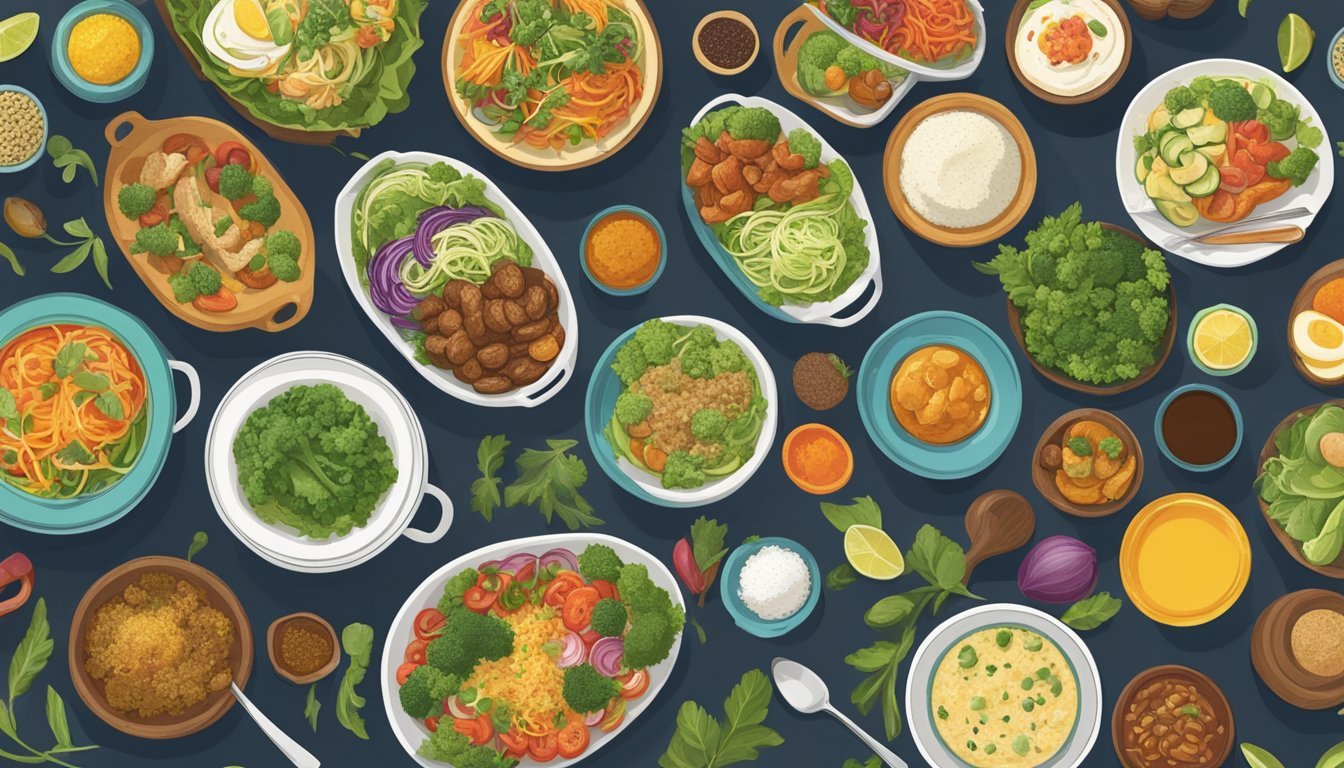
Like https://www.casinoroundtable.com/, the shared language of food has become a powerful tool for cultural exchange and global understanding. Regional cuisines, long rooted in the unique histories, traditions, and environmental factors of their places of origin, have transcended geographic boundaries to captivate palates and influence culinary trends on a global scale.
This gastronomic globalization has been fueled by a confluence of factors, including the rise of international travel, the proliferation of diverse immigrant communities, and the widespread availability of once-exotic ingredients. As people have become more exposed to the rich tapestry of global culinary traditions, a growing appreciation for the diversity and nuance of regional cuisines has emerged.
From the fiery curries of Southeast Asia to the delicate sushi of Japan, the hearty stews of Scandinavia to the vibrant, herb-infused dishes of the Mediterranean, each regional cuisine offers a unique window into the cultural, historical, and environmental forces that have shaped it. As these culinary traditions have gained worldwide recognition and popularity, they have also undergone a process of adaptation and fusion, giving rise to innovative interpretations and hybrid culinary forms.
This exchange of culinary influences has had a profound impact on the way we understand and experience food. No longer confined to their places of origin, regional specialties have become interwoven into the fabric of global cuisine, inspiring chefs, home cooks, and food enthusiasts to explore, experiment, and honor the rich diversity of the world’s palate.
The global influence of regional cuisines has also manifested in the realm of sustainability and social justice. As consumers have become more conscious of the environmental and ethical implications of their food choices, the spotlight has increasingly shifted toward traditional, locally-sourced ingredients and production methods that often underpin regional culinary traditions. This has empowered marginalized communities, small-scale producers, and indigenous food cultures to assert their culinary identities and advocate for the preservation of their gastronomic heritage.
In an age of rapid globalization and cultural homogenization, the enduring power of regional cuisines to captivate, educate, and unite people across borders serves as a testament to the profound role that food plays in shaping our individual and collective experiences. As we continue to explore debitcardactivation.com and celebrate the rich tapestry of global culinary traditions, we unlock new opportunities to foster greater cross-cultural understanding, promote sustainable food systems, and nourish the soul of our shared humanity.
