
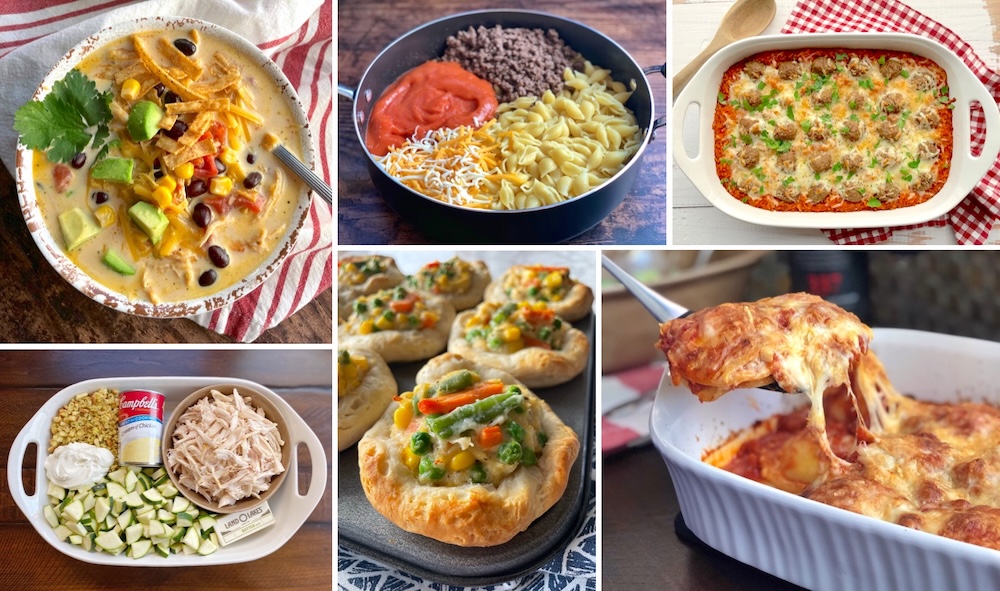
Feeding selective eaters can feel challenging, especially when preferences change quickly and familiar meals suddenly become unpopular. The most reliable approach is to serve simple, comforting foods with recognizable flavors and approachable textures. Recipes that balance nutrition with familiarity often receive better acceptance from children who hesitate to try new foods.
The recipes below are practical, adaptable, and designed to encourage positive eating habits while keeping preparation manageable for busy households.
Why Kids Become Picky About Food
Understanding eating behavior helps parents respond more effectively at mealtime. Many children prefer predictable flavors and textures because they are still developing sensory comfort with food.
Common reasons include
- Sensitivity to texture or smell
- Preference for familiar flavors
- Desire for independence during meals
- Changes in appetite during growth phases
- Overwhelming portion sizes
Simple presentation and mild seasoning often increase acceptance without reducing nutrition.
Cheesy Vegetable Quesadillas
Quesadillas are easy to customize and allow vegetables to blend naturally with cheese, making them less noticeable to hesitant eaters.
Ingredients
- 2 whole wheat tortillas
- 1 cup grated cheese
- 1 finely grated carrot
- 2 tablespoons finely chopped spinach
- 1 tablespoon butter
Instructions
- Heat a pan on medium flame.
- Spread butter lightly on one side of each tortilla.
- Place cheese, carrot, and spinach evenly on one tortilla.
- Cover with the second tortilla.
- Cook until both sides turn golden and cheese melts.
- Slice into triangles before serving.
Serve with mild yogurt dip or tomato sauce.
Soft Chicken and Rice Comfort Bowl
Soft textures and mild seasoning make this meal suitable for children who prefer gentle flavors.
Ingredients
- 1 cup cooked rice
- 1 cup shredded cooked chicken
- 1 tablespoon butter
- Salt to taste
- 2 tablespoons finely chopped carrots
Instructions
- Heat butter in a pan.
- Add carrots and cook until soft.
- Add shredded chicken and rice.
- Mix gently and season lightly.
- Serve warm.
This recipe can be adjusted easily by adding peas or sweet corn.
Mini Vegetable Pancakes
Mini pancakes introduce vegetables in a familiar snack style that children usually accept quickly.
Ingredients
- 1 cup flour
- 1 grated potato
- 1 grated carrot
- 1 chopped onion
- Water as needed
- Salt to taste
Instructions
- Combine flour and vegetables in a bowl.
- Add water gradually to form thick batter.
- Heat a pan and grease lightly.
- Pour small portions of batter.
- Cook both sides until golden.
Serve warm with mild chutney or yogurt.
Creamy Banana Oat Smoothie
Smoothies help include nutrients in a texture children often enjoy.
Ingredients
- 1 ripe banana
- 2 tablespoons soaked oats
- 1 cup milk
- 1 teaspoon honey
Instructions
- Add all ingredients to a blender.
- Blend until smooth.
- Serve fresh.
This works well as breakfast or an evening snack option.
Smart Strategies to Encourage Kids to Try New Foods
Small adjustments in presentation and routine can make a noticeable difference in acceptance.
Helpful approaches include
- Offering smaller portions first
- Serving familiar foods alongside new ones
- Allowing children to help with preparation
- Keeping meal timing consistent
- Avoiding pressure during eating
Positive mealtime experiences support long term healthy eating habits.
Ingredients Kids Usually Accept Easily
Choosing familiar ingredients increases the chances that meals will be enjoyed.
Common favorites include
- Rice
- Cheese
- Potatoes
- Bananas
- Mild chicken dishes
- Yogurt based sides
- Soft breads and pancakes
These ingredients can serve as a base for introducing additional nutrition gradually.
Frequently Asked Questions
How can I introduce vegetables without children noticing them
Finely grating vegetables and mixing them into sauces, pancakes, or rice dishes helps blend flavors and textures naturally.
What should I do if my child refuses dinner completely
Offer the same meal later without preparing a separate alternative. Consistency helps children adjust over time.
Are repeated food exposures helpful for picky eaters
Yes. Children often accept new foods after several gentle exposures without pressure.
How important is meal presentation for children
Presentation plays a major role. Smaller portions and colorful plates often improve interest in eating.
Should snacks be limited for picky eaters
Balanced snack timing helps maintain appetite for main meals without eliminating snacks entirely.
Can involving children in cooking improve eating habits
Yes. Children who help prepare meals are more likely to taste and accept the final dish.
How long does picky eating usually last in children
Most children outgrow selective eating patterns gradually as they become more comfortable with new textures and flavors.
