
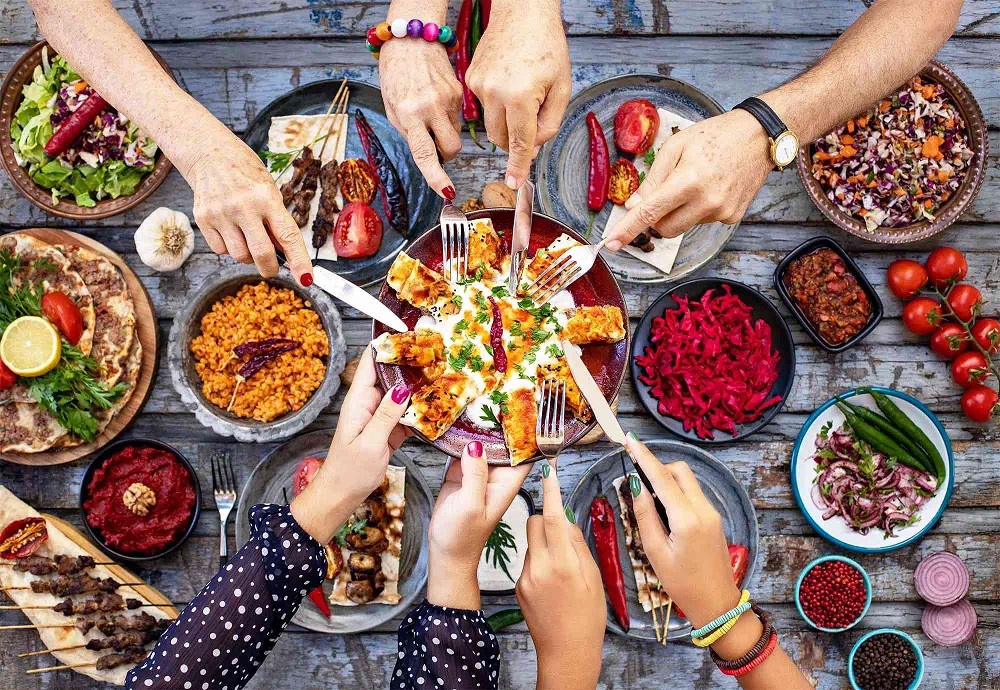
Food trends rarely emerge at random. They often mirror deeper social changes such as evolving work routines, health awareness, environmental concerns, and technological advancements. As daily habits shift, eating patterns adapt alongside them, creating visible signals of how people live, work, and prioritize their well-being.
Understanding food trends therefore provides insight into broader lifestyle transformations shaping modern society.
The Connection Between Lifestyle and Food Choices
Food is closely tied to routines, values, and accessibility. When lifestyles change, dietary habits typically follow. For example, the rise of flexible work schedules has encouraged interest in convenient yet nutritious meals, while growing environmental awareness has influenced the popularity of plant-based diets.
Some key factors influencing food trends include:
- Urbanization and fast-paced routines
- Health and wellness awareness
- Technological innovation in food access
- Environmental consciousness
- Cultural exchange through globalization
Each of these factors shapes how people select, prepare, and consume food daily.
Health Conscious Living and the Rise of Nutritious Eating
One of the most noticeable lifestyle-driven shifts in recent years is the emphasis on healthier eating habits. People are increasingly aware of how food affects long-term wellness, energy levels, and productivity.
This awareness has led to the popularity of:
- Plant-based meals
- Low-sugar and low-processed foods
- High-protein snacks
- Functional foods with added nutrients
- Home-cooked balanced meal plans
Consumers are now more likely to read ingredient labels and choose foods that support preventive health rather than just satisfy hunger.
Busy Schedules and the Demand for Convenience
Modern work culture often leaves limited time for traditional cooking routines. As a result, convenience-driven food solutions have expanded significantly.
Examples of convenience-oriented trends include:
- Meal-prep culture
- Ready-to-eat healthy packaged meals
- Online grocery delivery
- Cloud kitchens and takeaway services
These options reflect a lifestyle where efficiency and time management are essential priorities.
Technology Changing the Way People Eat
Technology has transformed food accessibility and decision-making. Mobile applications, digital payments, and delivery platforms now allow people to explore diverse cuisines without leaving home.
Technology-driven lifestyle changes influencing food trends include:
- Personalized nutrition tracking
- App-based restaurant discovery
- Subscription meal kits
- Smart kitchen appliances
These developments demonstrate how digital convenience shapes everyday eating behavior.
Sustainability and Ethical Eating Habits
Environmental awareness has encouraged consumers to reconsider how their food choices affect the planet. Many people now prefer options that support ecological balance and responsible production.
Popular sustainability-focused food trends include:
- Organic produce consumption
- Locally sourced ingredients
- Reduced food waste practices
- Eco-friendly packaging
- Plant-forward diets
Such choices reflect a lifestyle that prioritizes long-term environmental responsibility alongside personal health.
Global Exposure and Fusion Cuisine Popularity
Travel opportunities and digital media exposure have made international cuisines more accessible than ever. As people experience new cultures, they bring those influences into their kitchens and dining habits.
This lifestyle shift has contributed to:
- Fusion street food innovations
- Cross-cultural recipe experimentation
- Increased interest in authentic regional dishes
- Growing acceptance of unfamiliar ingredients
Food has become a medium through which individuals explore identity, curiosity, and global connection.
Social Media Influencing Food Preferences
Visual platforms play a powerful role in shaping food choices today. Presentation, aesthetics, and storytelling often determine what becomes popular.
Social media has encouraged trends such as:
- Colorful smoothie bowls
- Artisan beverages
- Home baking movements
- Creative plating styles
These trends reflect a lifestyle where food is not only nourishment but also expression and experience.
Changing Family Structures and Eating Patterns
Lifestyle transitions such as nuclear families, dual-income households, and independent living arrangements influence how meals are prepared and shared.
As a result:
- Quick recipes are gaining popularity
- Single-serving meal solutions are increasing
- Weekend cooking traditions are replacing daily elaborate meals
- Dining out is becoming more frequent
Food habits now adapt to flexible household structures rather than traditional routines.
Fitness Culture and Performance-Oriented Diets
Growing participation in fitness activities has reshaped dietary priorities. Many individuals now align their meals with physical performance goals.
Common fitness-driven food trends include:
- High-protein meal plans
- Nutrient timing strategies
- Hydration-focused beverages
- Natural energy snacks
These choices reflect lifestyles centered on strength, endurance, and active living.
The Role of Cultural Identity in Modern Food Trends
Despite globalization, many people are rediscovering traditional foods and regional ingredients. This reflects a lifestyle balance between modernization and cultural preservation.
Examples include:
- Revival of heritage grains
- Regional cooking techniques
- Seasonal eating practices
- Traditional fermentation methods
Such trends highlight how people maintain connections with their roots while adapting to modern living conditions.
Conclusion
Food trends serve as indicators of how societies evolve over time. From health awareness and sustainability to digital convenience and cultural exchange, modern eating habits reveal shifting priorities in daily life. As lifestyles continue to transform, food choices will remain one of the most visible reflections of those changes.
Frequently Asked Questions
1. Why do food trends change over time
Food trends change because lifestyles evolve due to technological progress, health awareness, environmental concerns, and cultural exposure.
2. How does urban living influence eating habits
Urban lifestyles often increase reliance on convenience foods, delivery services, and quick meal preparation methods.
3. Are plant-based diets only linked to health concerns
Plant-based diets are influenced not only by health motivations but also environmental awareness and ethical considerations.
4. How does globalization affect local food cultures
Globalization introduces new ingredients and recipes while encouraging fusion cuisine and cultural exchange in cooking practices.
5. Why are people choosing organic foods more frequently
Many consumers associate organic foods with better health benefits, safer farming practices, and environmental sustainability.
6. How do work schedules shape modern eating patterns
Busy routines encourage meal prepping, packaged healthy foods, and flexible eating times rather than fixed traditional meals.
7. What role does social media play in food trend popularity
Social media increases exposure to creative recipes and visually appealing dishes, influencing what people try and share at home and outside.
