
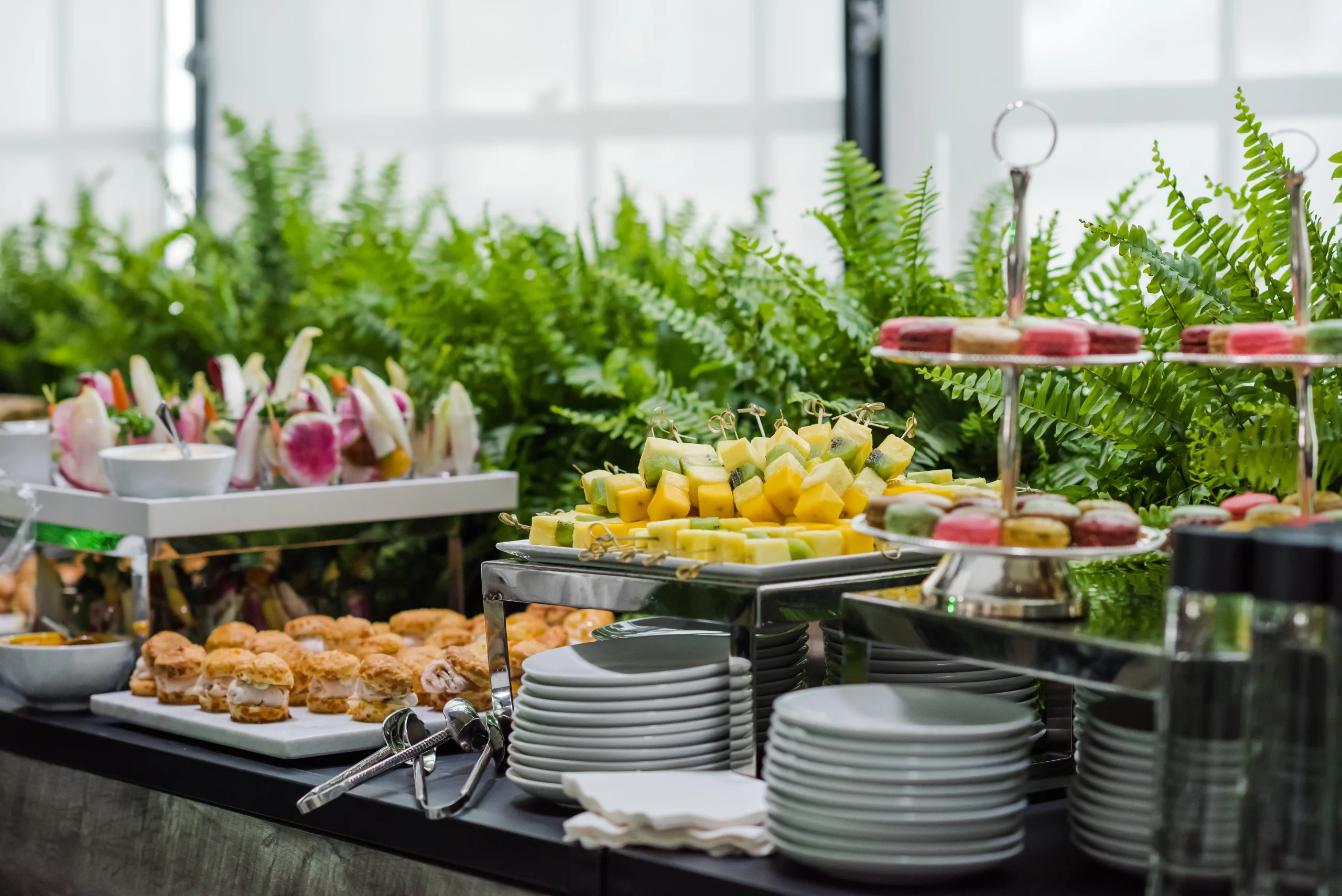
Planning a catering menu for a large gathering requires more than selecting popular dishes. It involves balancing variety, logistics, dietary needs, service style, and timing so guests enjoy a smooth and satisfying dining experience. A well-structured catering plan ensures efficiency behind the scenes while creating comfort and enjoyment for everyone attending.
The following practical strategies help hosts design menus that work successfully for weddings, corporate events, festivals, family celebrations, and community functions.
Understand the Guest Profile Before Finalizing the Menu
Knowing who will attend the event shapes every menu decision. Age group, cultural preferences, dietary habits, and event timing influence what should be served and how it should be presented.
Important considerations include:
- Estimated number of guests
- Cultural food preferences
- Vegetarian and non vegetarian balance
- Allergy related restrictions
- Event duration and time of day
For example, a daytime gathering benefits from lighter options, while evening events often support richer meals and extended service formats.
Choose a Service Style That Matches the Event Scale
The service style directly affects menu structure, portion planning, and staff requirements. Selecting the right format helps maintain smooth movement and avoids congestion during peak serving times.
Common service styles include:
- Buffet service for flexibility and variety
- Plated meals for formal events
- Food stations for interactive experiences
- Family style service for social gatherings
- Combination service for large celebrations with diverse guests
Buffet and station formats typically work best for very large groups because they reduce waiting time and improve guest flow.
Plan a Balanced Menu With Complementary Dishes
A successful catering menu offers variety without overwhelming guests. The goal is to create harmony across flavors, textures, and preparation styles.
A balanced menu usually includes:
- One or two welcome beverages
- Two to three starter selections
- Multiple main course options
- Vegetarian alternatives
- One rice or grain based dish
- One bread option
- Two dessert selections
Providing variety ensures guests with different preferences find suitable choices without unnecessary excess.
Consider Portion Planning Carefully
Underestimating quantities creates stress during events, while excessive ordering increases waste and cost. Accurate portion planning supports both efficiency and sustainability.
Helpful portion planning tips include:
- Plan slightly higher quantities for popular dishes
- Include at least one filling staple item
- Adjust portions for buffet versus plated service
- Consider guest demographics such as children or elderly attendees
- Account for event duration and meal timing
Professional caterers often calculate quantities per guest based on service style and menu complexity.
Include Dietary Friendly Options for Inclusivity
Large gatherings almost always include guests with specific dietary needs. Including flexible menu options ensures everyone feels comfortable and welcome.
Recommended inclusive options include:
- Clearly labeled vegetarian dishes
- Dairy free selections
- Gluten conscious alternatives
- Low spice food options
- Light and healthy choices
Thoughtful planning prevents confusion and improves guest satisfaction.
Design a Logical Food Flow for Easy Service
Menu planning should support smooth movement across serving stations. A logical sequence helps guests navigate the buffet comfortably and reduces congestion.
An effective service flow typically follows:
- Beverages at entry point
- Starters near gathering areas
- Main course placed centrally
- Bread and accompaniments nearby
- Desserts positioned separately
Organized layouts improve service efficiency and maintain event rhythm.
Coordinate Menu Choices With Venue Facilities
The venue plays an important role in determining what can realistically be served. Kitchen access, electricity availability, space limitations, and serving layout affect menu feasibility.
Before finalizing selections, confirm:
- Cooking facilities available onsite
- Power supply for warmers and equipment
- Distance between kitchen and service area
- Outdoor weather considerations
- Space for multiple service counters
Menus aligned with venue capabilities reduce last minute complications.
Select Practical Desserts Suitable for Large Crowds
Desserts should be appealing but easy to serve quickly. Individual portions or bite sized options work best for large gatherings.
Popular large event dessert choices include:
- Mini pastries
- Traditional sweets
- Fruit based desserts
- Custard style servings
- Bite sized chocolate selections
Simple serving formats help maintain flow during peak dessert service time.
Work With Experienced Catering Professionals
Professional caterers contribute valuable logistical knowledge that improves planning accuracy. Their experience helps anticipate challenges and manage execution smoothly.
They typically assist with:
- Quantity estimation
- Menu pairing suggestions
- Service layout planning
- Staffing coordination
- Equipment requirements
Early collaboration results in more efficient preparation and better guest experiences.
FAQ Section
How early should menu planning begin for a large gathering
Menu planning should ideally begin at least four to six weeks before the event so adjustments can be made comfortably.
How many menu items are appropriate for a gathering of more than one hundred guests
A balanced selection usually includes two starters, three to four main dishes, one grain option, one bread choice, and two desserts.
Should children friendly dishes be included in large event menus
Yes including simple mild flavored dishes helps ensure younger guests are comfortable during the meal.
Is it better to serve regional cuisine or mixed cuisine menus for large gatherings
A mixed cuisine menu works well when guest preferences are diverse, while regional menus suit culturally focused events.
How can crowd waiting time be reduced during buffet service
Using multiple serving lines and placing popular dishes at different counters helps distribute guest movement evenly.
Are live cooking counters suitable for very large gatherings
Yes they add engagement but should be combined with standard buffet counters to maintain service speed.
What factors affect the total catering quantity required for an event
Guest demographics, event timing, service style, menu variety, and event duration all influence total food quantity planning.
