
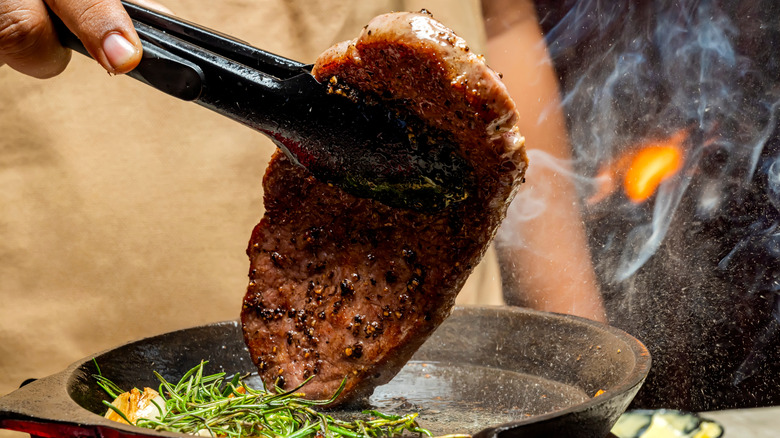
Cooking advice often travels from one generation to the next without being questioned. While some traditional techniques remain useful, others persist as myths that can limit results in the kitchen. Understanding what actually works helps improve flavor, efficiency, and confidence during everyday cooking.
Below are several widely believed cooking myths that do not hold up under practical culinary understanding.
Searing Meat Does Not Lock In Juices
A common belief suggests that searing meat seals the surface and traps moisture inside. In reality, searing creates flavor through browning rather than locking in juices.
What actually happens during searing:
- High heat creates a flavorful crust through surface browning
- Moisture still escapes during cooking
- Proper resting after cooking helps retain juices more effectively
Searing remains valuable for taste and texture, but it does not function as a moisture barrier.
Adding Oil to Pasta Water Does Not Prevent Sticking
Many cooks add oil to pasta water thinking it prevents noodles from sticking together. However, oil floats on the surface and does not coat pasta effectively during boiling.
Better alternatives include:
- Stirring pasta during the first minutes of cooking
- Using enough water for proper movement
- Cooking pasta at a steady boil
Adding oil can actually make sauces cling less effectively later.
Washing Raw Chicken Does Not Make It Safer
Rinsing raw chicken is often believed to remove bacteria. Instead, washing spreads bacteria through splashing water around the sink and surrounding surfaces.
Safer preparation practices include:
- Cooking chicken thoroughly to the proper internal temperature
- Cleaning utensils and surfaces after handling
- Keeping raw poultry separate from other ingredients
Proper heat during cooking eliminates harmful bacteria more reliably than washing.
High Heat Is Not Always the Best Cooking Method
Some believe cooking at high heat produces better results for most dishes. While high heat works well for searing and stir frying, it is unsuitable for many other preparations.
Moderate or low heat is better for:
- Slow simmering sauces
- Cooking delicate proteins
- Preventing burning in spices
- Maintaining moisture in grains
Choosing the correct temperature improves both texture and flavor consistency.
Fresh Ingredients Are Not Always Better Than Frozen
Fresh produce is often assumed to be superior in all cases. However, frozen vegetables are usually processed quickly after harvesting, which helps preserve nutrients.
Frozen ingredients can be useful because they:
- Reduce preparation time
- Maintain consistent availability
- Support portion control
- Limit food waste
For many dishes such as soups and stir cooked meals, frozen vegetables perform just as well as fresh options.
You Do Not Need to Flip Meat Only Once
A common instruction suggests flipping meat just once during cooking. In practice, turning meat multiple times can help it cook more evenly.
Benefits of flipping more than once include:
- Improved heat distribution
- Reduced surface burning
- Better control over doneness
- More even browning
Frequent turning does not damage texture when done properly.
Salt Does Not Always Toughen Beans During Cooking
Many cooks avoid adding salt early when cooking beans because they believe it makes them hard. Research and kitchen testing show that moderate salting early in cooking can actually improve flavor and texture.
Advantages of early seasoning include:
- Better flavor absorption
- More consistent bean texture
- Reduced need for heavy seasoning later
Extremely acidic ingredients added early may affect softness, but salt alone does not cause toughness.
A Crowded Pan Does Not Help Food Brown Faster
Overcrowding a pan is sometimes thought to speed cooking. Instead, it traps steam and prevents proper browning.
To improve browning results:
- Leave space between ingredients
- Cook in batches when necessary
- Allow moisture to evaporate properly
Proper spacing helps create better texture and deeper flavor.
FAQ Section
Why do cooking myths remain popular for so long
Cooking myths often continue because they are passed through tradition and repeated without testing under modern kitchen conditions.
Can following outdated cooking advice affect food quality
Yes outdated techniques can reduce flavor, texture, and efficiency compared with evidence based methods.
How can home cooks verify whether a cooking tip is accurate
Testing techniques in small batches and comparing results is one of the most reliable ways to evaluate cooking advice.
Are professional kitchen techniques always different from home cooking methods
Professional kitchens often use similar fundamentals but apply them with stricter timing control and consistency standards.
Does correcting cooking myths improve kitchen confidence
Understanding why certain methods work helps cooks make better decisions and adjust recipes more effectively.
Is it safe to rely entirely on traditional family recipes
Traditional recipes are valuable but sometimes benefit from small adjustments based on updated food safety knowledge.
Do cooking myths vary between different cultures
Yes different regions develop their own cooking traditions, and some long held beliefs differ depending on local ingredients and practices.
